

Blogs
Book appointment now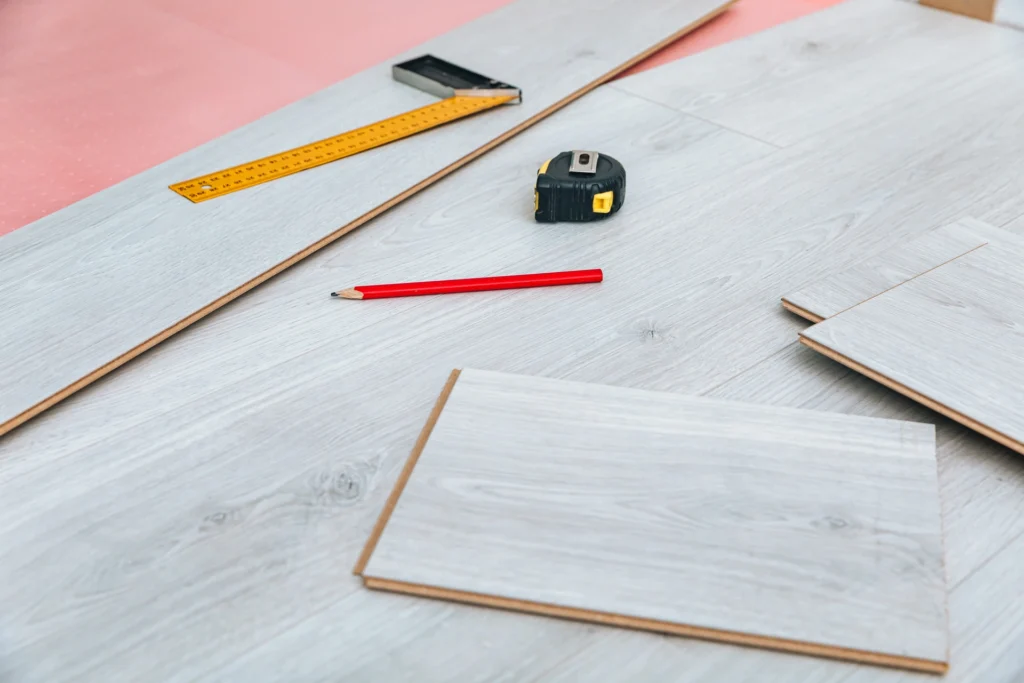
What Impacts the Cost of Hybrid Flooring Supply & Installation?
When planning a new flooring project, many homeowners want to understand what influences the overall cost. Hybrid flooring is known for offering a practical balance between durability, water resistance and modern timber-style design. However, the final price of a hybrid flooring project can vary depending on several factors.
Understanding what affects the cost can help you plan your budget and make informed decisions when choosing materials and installation services.
Let’s explore the main factors that influence the cost of hybrid flooring supply and installation.
Average Cost of Hybrid Flooring in Australia
Hybrid flooring sits in the mid-range price category compared with other flooring options. The total cost usually depends on both the materials and the installation work required.
In Australia, hybrid flooring materials typically cost around $35 to $60 per square metre, depending on the product quality and brand. Installation generally adds $25 to $30 per square metre, bringing the total installed cost to around $60 to $90 per square metre in many homes.
Premium hybrid flooring products with thicker cores and stronger wear layers may cost more, while entry-level options may sit at the lower end of the price range.
Because every home and project is different, the best way to understand the cost is through a professional measure and quote.
Quality of the Hybrid Flooring Product
One of the biggest factors affecting price is the quality of the hybrid flooring itself.
Hybrid flooring is available in different thicknesses, wear layers and construction types. Higher-quality products usually include:
- Thicker rigid cores
- Stronger wear layers for scratch resistance
- Better acoustic backing or underlay
- More detailed timber-style designs
Premium products tend to last longer and offer improved durability, which is why they are often priced higher than entry-level flooring.
Choosing quality flooring can also provide better long-term value by reducing maintenance or replacement costs.
Size of the Flooring Area
The size of the area being installed plays an important role in the final cost.
Larger spaces may reduce the cost per square metre because installers can work more efficiently in open areas. Smaller rooms or complex layouts may require more cutting and precision, which can increase labour time.
For example, spaces with many corners, narrow hallways or built-in furniture can require additional fitting work during installation.
Subfloor Condition and Preparation
Subfloor preparation is another key factor that can influence the overall cost.
Before hybrid flooring is installed, the existing surface must be:
- Clean
- Dry
- Level
- Structurally stable
If the subfloor requires repairs or levelling, additional preparation work may be required. Subfloor preparation can sometimes add $10 to $30 per square metre, depending on the condition of the surface.
Preparing the subfloor correctly is essential because uneven surfaces can affect the stability and long-term performance of the flooring.
Removal of Existing Flooring
If old flooring needs to be removed before installation begins, this can also affect the cost.
Removing materials such as carpet, tiles or vinyl flooring usually requires additional labour and disposal.
In many projects, removing existing flooring may add around $10 to $20 per square metre depending on the type of material and the complexity of removal.
While this step increases the initial cost, it can help ensure the new flooring sits properly on the prepared subfloor.
Installation Complexity
The complexity of the installation can also influence pricing.
Straightforward installations in open spaces are generally faster and more efficient. However, additional features can increase labour time.
Examples include:
- Stairs
- Built-in furniture
- Multiple room transitions
- Irregular room shapes
Each of these details requires extra cutting and finishing work, which may increase installation time and cost.
Finishing Materials and Accessories
In addition to the flooring planks themselves, several finishing materials are usually required to complete the installation.
These may include:
- Skirting boards or scotia trims
- Doorway transition strips
- Stair nosing’s
- Edge trims
These accessories help create a clean and professional finish, but they can add to the overall project cost.
Labour and Professional Installation
Professional installation is an important part of the overall cost. Hybrid flooring uses a click-lock floating system that allows planks to connect securely without glue or nails, which can make installation faster than some traditional flooring methods.
However, experienced installers still play a crucial role in ensuring the flooring is fitted correctly. Proper installation helps ensure:
- Planks align evenly
- Expansion gaps are maintained
- The flooring remains stable over time
Professional installation also helps reduce the risk of issues such as uneven surfaces or plank movement.
If you would like to explore professional installation services, you can learn more here.
Why Hybrid Flooring Often Offers Good Value
Although hybrid flooring may cost slightly more than some basic flooring options, it often provides strong long-term value.
Hybrid flooring is designed to deliver:
- Strong durability in busy homes
- Resistance to moisture and spills
- Easy maintenance
- Modern timber-style appearance
Because of these features, hybrid flooring is often considered a practical investment for many households.
Getting an Accurate Quote for Your Flooring Project
The cost of hybrid flooring supply and installation depends on several factors, including the flooring product, the condition of the subfloor and the size of the project.
A professional inspection allows installers to assess these details and provide an accurate quote based on the specific requirements of your home.
At Lockwood Floor Coverings, we focus on providing reliable advice and quality installation, so your flooring performs well for years to come.
If you are planning a flooring upgrade and would like to discuss your project, you can contact our team to arrange a measure and quote.
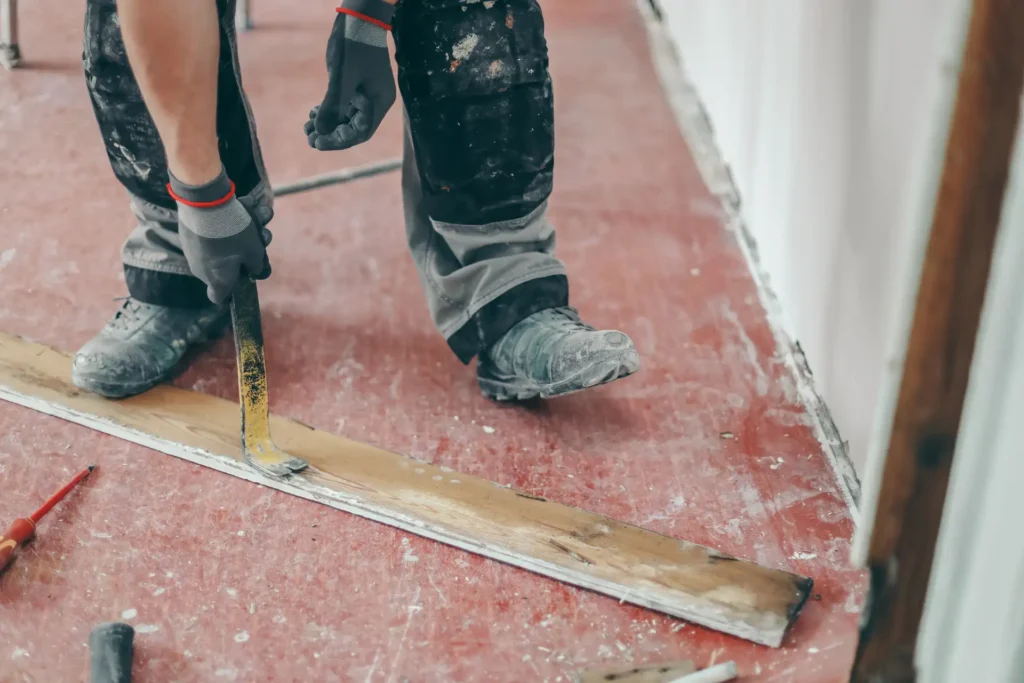
Do You Need to Remove Old Flooring Before Installing a Hybrid?
When planning a new flooring installation, many homeowners wonder whether existing flooring needs to be removed first. Removing old materials can add time and cost to a renovation, so it is natural to ask whether it is always necessary.
Hybrid flooring has become popular because it is versatile and designed to work with a variety of subfloors. In some cases, the existing floor can remain in place. In other situations, removing the old flooring is essential to ensure a stable and long-lasting result.
Let’s explore when old flooring should be removed before installing hybrid flooring and when installation over existing surfaces may be possible.
Why Subfloor Preparation Matters
Before installing any new flooring, the most important factor is the condition of the subfloor. A suitable subfloor must be:
- Clean
- Dry
- Level
- Structurally stable
If the surface underneath the flooring is uneven or damaged, it can affect how the new flooring performs. Uneven areas can cause movement in the planks or place stress on the locking system over time
Proper preparation helps ensure hybrid flooring remains stable and durable for many years.
When Old Flooring Should Be Removed
In many installations, removing the existing flooring is the safest and most reliable option. This is especially important when the old flooring is soft or unstable.
Carpet and Soft Flooring
Carpet, underlay and similar soft flooring materials must always be removed before installing hybrid flooring. These surfaces are not stable enough to support a floating floor system.
Leaving carpet underneath can cause the hybrid planks to move or separate over time.
Damaged or Uneven Floors
Old flooring that is cracked, lifting or uneven should also be removed. Hybrid flooring requires a flat and stable surface to lock together properly.
If the existing floor is damaged or poorly adhered to the subfloor, installing over it can lead to problems later.
Loose Vinyl or Peeling Surfaces
If vinyl flooring is lifting or peeling, it is usually best to remove it. Loose flooring beneath the new planks can create instability and affect the locking system.
Removing these materials allows the installer to prepare the subfloor correctly before laying the hybrid flooring.
When Hybrid Flooring Can Be Installed Over Existing Floors
One advantage of hybrid flooring is that it can sometimes be installed over certain types of existing hard flooring.
Provided the surface is stable and level, hybrid flooring may be installed over:
- Ceramic tiles
- Timber flooring
- Plywood subfloors
- Vinyl flooring that is firmly adhered
Many hybrid products are designed as floating floors that sit above the subfloor without being fixed directly to it. Because of this, a solid existing surface can sometimes serve as a suitable base.
However, it is important that the surface is properly prepared before installation begins.
Installing Over Tiles
Tiles can often provide a strong and stable base for hybrid flooring installation.
If hybrid flooring is installed over tiles, installers usually check that:
- The tiles are firmly attached
- The surface is level
- Grout lines are not too deep
If grout lines are significant, they may need to be filled to create a smoother surface before the flooring is installed.
When prepared correctly, tiles can form a reliable foundation for hybrid flooring.
Installing Over Concrete Subfloors
Concrete is one of the most common subfloors used for hybrid flooring installation.
Before installation begins, the concrete surface must be:
- Fully cured
- Clean and dry
- Level and smooth
A moisture barrier may also be installed over concrete to prevent moisture rising from the slab.
This preparation helps protect the flooring and improve long-term performance.
Installing Over Timber Subfloors
Hybrid flooring can also be installed over timber subfloors such as floorboards or plywood.
In this case, the existing timber surface should be checked carefully to ensure:
- Loose boards are secured
- Squeaks are repaired
- The surface is level
If necessary, sanding or levelling may be required before the new flooring is installed.
Why Removing Old Flooring Can Sometimes Be the Better Option
Even though hybrid flooring can sometimes be installed over existing hard surfaces, removing the old flooring can still offer several advantages.
A More Level Surface
Removing the old flooring allows installers to inspect the subfloor and correct any uneven areas. This helps ensure the new flooring sits flat and stable.
Better Long-Term Performance
Direct installation over a properly prepared subfloor can reduce the risk of movement, noise or wear over time.
Improved Height Transitions
Removing old flooring can also help maintain consistent floor heights between rooms. This can make transitions between different flooring areas look cleaner and more natural.
Other Preparation Steps Before Installation
Before hybrid flooring installation begins, several preparation steps usually take place.
These may include:
- Removing furniture and existing floor coverings
- Cleaning and drying the subfloor
- Repairing uneven areas
- Allowing the flooring to acclimatise to room conditions
Allowing the flooring to acclimatise helps reduce the risk of expansion or contraction after installation.
These steps help ensure the installation process runs smoothly.
Professional Advice Can Help Avoid Costly Mistakes
Every home is different, and the best installation approach depends on the condition of the existing flooring and the subfloor underneath.
A professional installer can inspect the space and recommend whether the old flooring should be removed or whether installation over the existing surface is suitable.
At Lockwood Floor Coverings, we focus on careful preparation and quality installation, so your flooring performs reliably over time.
If you would like to learn more about hybrid flooring installation, you can visit our service page.
You can also contact our team to discuss your flooring project or arrange a measure and quote.
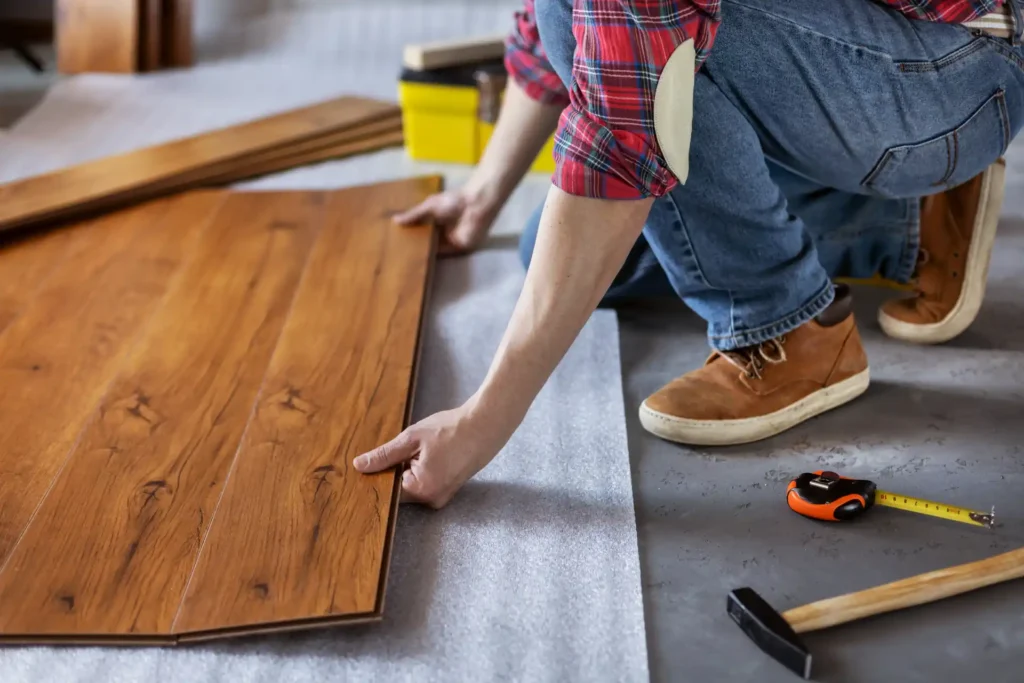
How Long Does Hybrid Flooring Installation Take?
When planning a flooring upgrade, one of the most common questions homeowners ask is how long the installation will take. Replacing flooring can temporarily affect daily routines, so understanding the expected timeline helps you plan your project with confidence.
Hybrid flooring has become a popular choice because it combines durability, water resistance and modern timber-style designs. Another advantage is that it can often be installed relatively quickly compared with some traditional flooring materials.
Lets explore how long hybrid flooring installation usually takes and what factors can influence the timeline.
Typical Hybrid Flooring Installation Time
In many homes, hybrid flooring installation can be completed quite quickly. For a standard room, the installation itself may only take several hours once preparation is complete.
For example, laying hybrid flooring planks in a room of around 20 square metres can take roughly three to six hours, depending on the layout and conditions.
Some installers estimate installation at around three to four hours per 10 square metres, especially when a team is working together.
For larger spaces or full homes, most flooring projects are completed within one to three days, depending on the size of the property and the preparation required.
Because hybrid flooring uses a click-lock floating system rather than adhesives or sanding, the installation process is usually faster than many other flooring types.
Why Hybrid Flooring Installs Faster Than Some Other Floors
One reason hybrid flooring installation is relatively quick is the design of the planks.
Hybrid flooring typically uses an interlocking click-lock system that allows boards to connect together securely without needing nails or glue.
This installation method allows professional installers to cover large areas efficiently while maintaining a consistent finish.
Unlike solid timber flooring, hybrid floors also do not require sanding, sealing or long drying times after installation.
Preparation Before Installation Begins
Although the flooring itself may be installed quickly, preparation is an important part of the process.
Before installation begins, the flooring planks are usually allowed to sit in the room for a period of time so they can adjust to the temperature and humidity of the space.
This process is called acclimatisation and typically takes around 24 to 48 hours before installation begins.
This step helps reduce the risk of expansion or movement after the floor is installed.
During this stage, installers may also inspect the subfloor and prepare the area to ensure the new flooring will sit flat and stable.
What Happens During Hybrid Flooring Installation
Professional installation usually follows a structured process to ensure the flooring performs well over time.
1. Measuring and Planning
The space is measured carefully so the flooring layout can be planned. This helps reduce waste and ensures the planks align correctly across the room.
2. Subfloor Preparation
The existing floor surface must be clean, dry and level. Any uneven areas may need to be repaired before installation begins.
Proper preparation helps ensure the flooring remains stable and durable.
3. Laying the Flooring
The hybrid planks are installed using their click-lock edges. Installers begin along one wall and continue across the room, connecting each plank securely.
Because the planks interlock, the process is efficient and usually progresses quickly.
4. Finishing Details
Once the flooring is laid, trims, skirting boards and transitions are installed where needed. These finishing details help create a neat and complete result.
Factors That Can Affect Installation Time
Every home is different, and several factors can influence how long hybrid flooring installation will take.
Size of the Area
Larger areas naturally take longer to install. A single room may be completed within a few hours, while an entire home may require several days.
Subfloor Condition
If the existing floor surface is uneven or damaged, additional preparation may be required before the new flooring can be installed.
Removal of Old Flooring
If existing carpet, tiles or timber flooring need to be removed, this step can add extra time to the project.
Room Layout
Rooms with many corners, angles or built-in features may require additional cutting and fitting of the flooring planks.
Furniture and Accessibility
Clearing the space before installation begins can help speed up the process. Installers can work more efficiently when rooms are empty and accessible.
Can You Walk on Hybrid Flooring After Installation?
One advantage of hybrid flooring is that it can usually be walked on soon after installation.
However, it is generally recommended to wait around 24 hours before placing heavy furniture back on the floor.
This allows the flooring to settle and helps prevent unnecessary pressure on the newly installed planks.
Why Professional Installation Matters
Hybrid flooring is designed to be straightforward to install, but professional installation offers several important advantages.
Experienced installers can:
- Prepare the subfloor correctly
- Ensure planks are installed evenly
- Maintain proper expansion gaps
- Complete the project efficiently
Professional installation also helps reduce the risk of issues such as gaps, uneven surfaces or movement in the flooring.
If you are considering new flooring for your home, you can learn more about professional installation.
Planning Your Flooring Project
Hybrid flooring installation is usually faster than many traditional flooring options, which makes it a practical choice for renovation projects.
While the exact timeline depends on the size and condition of the space, most homes can expect installation to be completed within a few hours for a single room or a few days for larger areas.
Planning, preparing the space and working with experienced installers can help ensure the project runs smoothly.
If you would like advice about hybrid flooring or want to arrange a measure and quote, you can contact our team.
Is Hybrid Flooring Waterproof Enough for Kitchens and Entryways?
When choosing flooring for your home, certain areas need extra consideration. Kitchens and entryways are some of the busiest spaces in any house. They deal with spills, moisture, dirt from outside and constant foot traffic.
Because of this, many homeowners look for flooring that can handle water exposure while still maintaining durability and appearance. Hybrid flooring has become a popular option for modern homes, but a common question is whether it is truly waterproof and suitable for areas like kitchens and entryways.
Let’s explore how hybrid flooring performs in moisture-prone areas and whether it is a practical choice for these spaces.
What Is Hybrid Flooring?
Hybrid flooring is a modern flooring solution that combines the strength of laminate flooring with the water resistance of vinyl. It uses multiple layers that work together to create a durable and stable floor surface.
Most hybrid flooring planks include:
- A protective wear layer that helps resist scratches and stains
- A decorative layer that replicates the appearance of timber
- A rigid composite core that provides strength and moisture resistance
- A backing layer that improves comfort and sound reduction
This multi-layer structure allows hybrid flooring to deliver both durability and strong moisture protection.
Is Hybrid Flooring Actually Waterproof?
Hybrid flooring is commonly described as waterproof because its rigid core is made from dense, non-porous materials that do not absorb moisture.
This construction means that everyday spills and surface moisture generally do not damage the planks. Hybrid flooring can handle water exposure from normal household activity such as cooking spills, wet shoes or cleaning.
Because of this waterproof structure, hybrid flooring is often used in areas where moisture is more likely, including kitchens, hallways and entry areas.
However, like most flooring materials, it is still important to clean spills promptly and ensure proper installation, so moisture does not become trapped beneath the floor.
Why Kitchens Require Moisture-Resistant Flooring
Kitchens are one of the most demanding areas for flooring. Water, cooking spills and dropped items are part of everyday life.
A suitable kitchen floor should be able to handle:
- Food and drink spills
- Water splashes from sinks and dishwashers
- Frequent cleaning
- Heavy foot traffic
Hybrid flooring performs well in kitchens because its waterproof core prevents swelling or warping when exposed to moisture.
This makes it a practical option for households looking for the appearance of timber flooring without the maintenance concerns that natural wood can bring.
Why Entryways Need Durable Flooring
Entryways and hallways are another area where flooring needs to be durable and easy to maintain. These spaces are constantly exposed to dirt, sand and moisture carried in from outside.
A suitable entryway floor should be able to handle:
- Wet shoes or umbrellas
- Dirt and debris from outdoors
- Heavy daily foot traffic
- Frequent cleaning
Hybrid flooring is designed with a strong wear layer that helps resist scratches and everyday wear. This durability makes it well suited to high-traffic areas such as entryways and hallways.
Because hybrid planks are also waterproof, they can manage the moisture that often appears in these spaces.
Difference Between Waterproof and Water Resistant
While hybrid flooring is often described as waterproof, it is helpful to understand how the term is used in flooring products.
In most cases, waterproof flooring means the surface of the planks can resist water penetration. Everyday spills or splashes usually do not damage the material.
However, long-term moisture exposure beneath the floor can still create problems if leaks or trapped moisture occur.
For this reason, proper installation and subfloor preparation are important to ensure the flooring performs as expected.
Benefits of Hybrid Flooring for Kitchens and Entryways
Hybrid flooring offers several advantages for areas where moisture and heavy use are common.
Moisture Protection
The waterproof core helps prevent swelling or damage caused by spills and humidity.
Strong Durability
The protective wear layer helps resist scratches, dents and everyday wear from busy households.
Easy Cleaning
Hybrid floors can be maintained with regular sweeping and damp mopping, making them easy to care for in high-use areas.
Consistent Design Across Spaces
Hybrid flooring allows homeowners to use the same flooring throughout multiple rooms, creating a seamless look between living areas, kitchens and hallways.
Situations Where Extra Care Is Needed
Although hybrid flooring handles everyday moisture well, it is still important to manage certain situations carefully.
For example:
- Plumbing leaks should be repaired quickly
- Large amounts of standing water should be removed promptly
- Proper subfloor preparation is essential during installation
These steps help prevent moisture from becoming trapped beneath the flooring, which can affect any floating floor system over time.
Professional Installation Makes a Difference
The long-term performance of any flooring product depends heavily on installation quality.
Proper installation helps ensure:
- The subfloor is level and prepared correctly
- Expansion gaps are installed where needed
- Moisture barriers are used if required
This preparation allows hybrid flooring to perform as intended and maintain its durability over time.If you would like to explore professional installation options, you can learn more about our hybrid flooring services here.
Is Hybrid Flooring Worth Considering for Kitchens and Entryways?
For many households, hybrid flooring provides a strong balance of durability, water resistance and modern design.
Its waterproof construction allows it to handle everyday spills, while the protective surface helps resist scratches and wear in high-traffic areas. These features make hybrid flooring a practical choice for spaces such as kitchens, entryways and open living areas.
When installed correctly and maintained properly, hybrid flooring can deliver long-lasting performance in the areas of the home that experience the most activity.
If you are considering upgrading your flooring or planning a renovation, professional advice can help you select the right flooring for your space.
To discuss your flooring project or arrange a measure and quote, you can contact our team.
Hybrid vs Laminate: Key Differences in Durability and Water Resistance
Choosing new flooring involves balancing appearance, durability and practicality. Two options for many homeowners consider are hybrid flooring and laminate flooring. Both offer a timber-style look and practical performance, but they differ in how they handle moisture, wear and everyday use.
Understanding these differences helps you choose flooring that suits your home and lifestyle. Let’s explore how hybrid and laminate flooring compare, with a focus on durability and water resistance.
What Is Hybrid Flooring?
Hybrid flooring is a modern flooring solution that combines features of laminate and vinyl flooring. It uses a rigid composite core along with multiple protective layers to create a strong and stable floor.
A typical hybrid plank includes:
- A wear layer that protects against scratches and stains
- A decorative layer that creates the timber look
- A rigid composite core that provides strength and stability
- A backing layer or underlay for comfort and sound reduction
This construction gives hybrid flooring excellent durability and strong resistance to moisture. Many hybrid products are designed to be fully waterproof, allowing them to perform well in areas where spills are more common.
Because of this combination of durability and moisture resistance, hybrid flooring is often used throughout the home, including kitchens, hallways and open living spaces.
You can learn more about professional installation here:
https://lockwoodfloorcoverings.com/flooring/hybrid-flooring-newcastle/
What Is Laminate Flooring?
Laminate flooring has been used in homes for many years and remains a popular option for homeowners who want a timber appearance at a lower cost.
Laminate planks typically include:
- A protective wear layer
- A printed design layer that mimics timber
- A core layer made from high-density fibreboard (HDF)
- A backing layer for stability
This layered design gives laminate flooring good scratch resistance and durability in everyday living areas.
However, because the core layer is wood based, laminate flooring can be sensitive to prolonged moisture exposure.
Durability: How Each Flooring Type Handles Daily Wear
Durability is one of the main factors homeowners consider when selecting flooring. Busy households often need flooring that can handle foot traffic, pets, furniture movement and everyday activity.
Both hybrid and laminate flooring are designed with protective wear layers that help resist scratches and stains.
However, hybrid flooring typically has an advantage when it comes to structural durability. Its rigid composite core is designed to be dense and stable, helping the planks resist dents and maintain their shape over time.
Laminate flooring can also perform well in high traffic areas thanks to its tough surface layer. In fact, laminate is often praised for strong scratch resistance.
The main difference appears when moisture or environmental changes are involved. Hybrid flooring tends to handle these conditions more reliably due to its composite core.
Water Resistance: The Key Difference
One of the biggest differences between hybrid and laminate flooring is how they respond to water.
Hybrid flooring is commonly designed to be fully waterproof because its core is made from composite materials rather than wood. This allows it to handle spills, humidity and cleaning without swelling or warping.
Laminate flooring, on the other hand, is generally water resistant rather than waterproof. The fibreboard core can absorb moisture if water is left on the surface for extended periods. This can lead to swelling or damage in some situations.
Because of this difference:
- Hybrid flooring is often suitable for kitchens, laundries and open plan areas.
- Laminate flooring is typically recommended for drier areas such as bedrooms and living rooms.
Stability in Changing Conditions
Another important factor when comparing flooring types is stability.
Hybrid flooring is designed with a rigid core that helps minimise expansion and contraction caused by temperature or humidity changes. This stability makes it well suited to larger spaces and open layouts.
Laminate flooring can also remain stable when installed correctly, but its fibreboard core can be more sensitive to moisture and environmental changes.
For homes where temperature or humidity levels vary throughout the year, hybrid flooring can offer additional reassurance.
Maintenance and Everyday Cleaning
Both hybrid and laminate flooring are relatively easy to maintain.
Regular cleaning usually involves:
- Sweeping or vacuuming dust and dirt
- Mopping with a lightly damp mop
- Cleaning spills promptly
Hybrid flooring tends to be slightly easier to maintain because its waterproof surface allows it to handle moisture more effectively.
Laminate flooring can still be easy to maintain, but it is important to avoid excess water during cleaning.
Design and Style Options
Both flooring types offer a wide range of timber-inspired designs.
Advances in printing technology allow both hybrid and laminate planks to replicate natural wood textures and colours with impressive detail.
Homeowners can choose from many styles, including:
- Light timber tones
- Natural oak finishes
- Warm timber colours
- Contemporary neutral designs
Because both materials provide strong visual appeal, the final decision often depends on performance factors such as durability and water resistance.
Which Flooring Is Better for Your Home?
There is no single answer that suits every household. The best option depends on how your space is used and what features matter most.
Hybrid flooring may be the better choice if you want:
- Strong resistance to moisture and spills
- Durable performance in high traffic areas
- Flooring that can be used throughout the home
Laminate flooring may suit homes where:
- Budget is a major factor
- Flooring is being installed in dry areas
- A timber look is desired without higher material costs
Both flooring types can perform well when installed correctly and maintained properly.
Getting Advice Before Choosing New Flooring
Choosing flooring is an investment that affects both the appearance and practicality of your home. Taking the time to understand the differences between materials helps ensure you select the right option.
At Lockwood Floor Coverings, we focus on helping homeowners choose flooring solutions that balance durability, design and long-term value. Our team provides careful installation and practical advice, so your new flooring performs well for years to come.
If you would like to explore hybrid flooring options or discuss your flooring project, you can learn more here:
You can also contact our team to arrange a measure and quote
Hybrid vs Vinyl Plank: Which Is Better for Busy Households?
Choosing the right flooring is important for any home, especially when your household is busy with daily activity. Homes with children, pets and regular visitors need flooring that can handle wear while still maintaining its appearance over time.
Two flooring options that are often compared are hybrid flooring and vinyl plank flooring. Both provide a timber-style look and practical performance, but they have different characteristics that can influence which option is better suited to your home.
Let’s explore differences between hybrid and vinyl plank flooring so you can make an informed decision when choosing flooring for a busy household.
What Is Hybrid Flooring?
Hybrid flooring is a modern flooring solution designed to combine the strengths of laminate and vinyl flooring. It uses a rigid core structure that provides stability, durability and moisture resistance.
Hybrid flooring planks are built using several layers that work together to create a strong and reliable floor.
These layers typically include:
- A protective wear layer that helps resist scratches and stains
- A decorative layer that replicates the appearance of timber or stone
- A rigid core layer that provides structural strength
- A backing layer that helps with comfort and sound reduction
This layered construction allows hybrid flooring to offer the visual appeal of timber while maintaining strong durability in everyday living spaces.
If you would like to learn more about professional installation, you can visit the Hybrid Flooring service page.
What Is Vinyl Plank Flooring?
Vinyl plank flooring is another popular flooring option designed to mimic the look of natural timber. It is made from flexible vinyl materials that are layered together to create a durable surface.
Vinyl planks are generally thinner and more flexible than hybrid flooring. Because of this flexibility, they can sometimes adapt more easily to slightly uneven surfaces.
Vinyl plank flooring is often chosen because it offers a practical balance between cost, appearance and everyday functionality.
If you would like to learn more about professional installation, you can visit the Vinyl Flooring service page.
Durability in High Traffic Homes
Durability is one of the most important factors when selecting flooring for busy households.
Hybrid flooring is typically more rigid due to its core structure. This rigidity helps the floor maintain its shape and resist dents from furniture or heavy foot traffic.
The wear layer also helps protect the surface from scratches caused by daily activity.
Vinyl plank flooring can also perform well in active homes, but its softer construction may make it slightly more susceptible to indentations from heavy furniture or constant pressure.
For households where durability is a top priority, hybrid flooring is often the stronger option.
Water Resistance and Everyday Spills
Spills are a common part of daily life, especially in kitchens, dining areas and entry spaces.
Hybrid flooring is designed with strong water resistance due to its rigid core construction. This helps prevent damage from everyday spills when they are cleaned promptly.
Vinyl plank flooring is also water resistant and is often used in areas where moisture is present.
Both flooring types can perform well in spaces where occasional spills occur, provided they are installed properly and maintained correctly.
Stability and Structural Strength
One difference between hybrid flooring and vinyl plank flooring is structural stability.
Hybrid flooring uses a rigid core that helps maintain stability across larger areas. This construction can help reduce movement in the planks and maintain the overall appearance of the floor.
Vinyl plank flooring is more flexible by design. While this flexibility can sometimes help during installation, it may not provide the same level of stability across larger spaces.
Homes with open living areas may benefit from the structural strength offered by hybrid flooring.
Comfort and Feel Underfoot
Comfort is another factor many homeowners consider when choosing flooring.
Vinyl plank flooring tends to feel slightly softer underfoot due to its flexible composition. This can make it comfortable in areas where people spend more time standing.
Hybrid flooring feels firmer because of its rigid core structure. However, many hybrid flooring products include an attached underlay layer that improves comfort and reduces sound.
Both flooring options can provide a comfortable surface when installed correctly.
Design and Style Options
Both hybrid and vinyl plank flooring are available in a wide range of designs. Manufacturers have developed detailed finishes that closely replicate the appearance of natural timber.
Homeowners can choose from many styles, including:
- Light timber tones for bright interiors
- Natural oak and timber designs
- Darker finishes for more traditional spaces
- Contemporary neutral colours
Because both materials offer strong visual appeal, the final choice often depends on the specific design preferences of the homeowner.
Installation Differences
Installation methods can vary depending on the type of flooring selected.
Hybrid flooring is usually installed as a floating floor using a click-lock system. The planks connect securely without the need for adhesive.
Vinyl plank flooring may be installed using a click system or through glue-down installation depending on the product.
Regardless of the flooring type, proper subfloor preparation is essential. A clean, level surface helps ensure the flooring performs well and lasts longer.
Professional installation also helps achieve a more consistent and reliable finish.
Choosing the Best Flooring for Busy Households
Both hybrid flooring and vinyl plank flooring can perform well in active homes. The most suitable option depends on the priorities of the household.
Hybrid flooring may be the better choice if you want:
- Strong durability in high traffic areas
- Increased structural stability
- Good resistance to everyday moisture
- Long-term performance in family homes
Vinyl plank flooring may suit households that prefer:
- A slightly softer surface underfoot
- Flexible installation options
- A practical flooring solution for smaller spaces
Understanding these differences can help homeowners choose flooring that supports their daily lifestyle.
Getting Advice Before Installing New Flooring
Selecting flooring involves more than just choosing a design. Factors such as household activity, subfloor condition and room layout all play an important role in the final result.
Professional advice can help ensure the flooring you choose performs well for years to come.
At Lockwood Floor Coverings, we help homeowners select flooring solutions that combine quality materials with careful installation.If you are considering hybrid flooring or comparing different flooring options, you can explore our hybrid flooring services.
To discuss your flooring project or arrange a measure and quote, contact our team.
What Is Hybrid Flooring and Is It Worth It for Newcastle Homes?
Choosing new flooring for your home is a big decision. It affects how your space looks, how comfortable it feels, and how well it handles everyday life. Many homeowners across Newcastle are now considering hybrid flooring because it offers a practical balance of durability, design flexibility and low maintenance.
If you are planning a renovation or replacing worn flooring, understanding how hybrid flooring works can help you decide whether it is the right option for your home.
What Is Hybrid Flooring?
Hybrid flooring is a modern flooring solution that combines features from laminate and vinyl flooring. It is designed to deliver the appearance of timber with improved durability and moisture resistance.
Hybrid planks are made using several layers that work together to create a strong and stable floor.
A typical hybrid flooring plank includes:
- A protective wear layer that helps resist scratches and stains
- A decorative layer that gives the plank its timber or stone appearance
- A rigid core layer that provides strength and stability
- A backing layer that helps improve comfort and reduce sound
These layers allow hybrid flooring to perform well in busy homes while maintaining the natural look of timber flooring.
For many homeowners, this combination of style and practicality makes hybrid flooring a very appealing option.
Why Hybrid Flooring Is Popular in Newcastle Homes
Across Newcastle and Lake Macquarie, hybrid flooring has become increasingly popular in recent years. Many local homeowners are renovating older properties or updating interiors to create modern open living spaces.
Hybrid flooring suits these renovations because it provides a clean, modern look while handling everyday household activity.
There are several reasons why hybrid flooring works well for Newcastle homes.
Strong Water Resistance for Everyday Living
One of the main advantages of hybrid flooring is its resistance to moisture. The rigid core construction helps protect the floor from everyday spills and humidity.
This makes hybrid flooring suitable for areas such as:
- Kitchens
- Hallways
- Entry areas
- Living rooms
- Laundry spaces
In many Newcastle homes, open plan layouts connect the kitchen, dining and living areas. Hybrid flooring allows these spaces to flow together with one consistent flooring surface.
Durability for Busy Family Homes
Homes with children, pets and frequent visitors need flooring that can handle daily activity.
Hybrid flooring is designed with a durable wear layer that helps protect against:
- Scratches
- Furniture movement
- Foot traffic
- Minor impacts
For households in suburbs such as Georgetown, Merewether and Charlestown, where family living often means active homes, this durability can make a big difference.
Stable in Coastal Conditions
Newcastle’s coastal climate can bring changes in temperature and humidity throughout the year. Some traditional flooring materials can expand or shift under these conditions.
Hybrid flooring is designed to remain stable even with environmental changes. The rigid core helps reduce movement in the planks, which helps maintain the appearance of the floor over time.
This stability makes hybrid flooring a practical choice for homes near the coast as well as properties further inland across the Hunter region.
Timber Style Without the Maintenance
Many homeowners love the appearance of timber flooring but are concerned about the maintenance it requires.
Hybrid flooring offers a similar visual style without the need for sanding, polishing or refinishing.
Modern hybrid planks are available in a wide range of timber-inspired colours and textures. These designs allow homeowners to create different interior styles, including:
- Light coastal interiors
- Modern neutral spaces
- Warm natural timber tones
Because hybrid flooring is easy to clean and maintain, it works well in homes where practicality is just as important as appearance.
What to Expect During Hybrid Flooring Installation
Professional installation plays an important role in how well your flooring performs over time. A properly installed floor will look better and last longer.
At Lockwood Floor Coverings, we follow a careful installation process to ensure every floor is fitted with attention to detail.
The process typically includes:
Consultation and Flooring Selection
We help you choose the right hybrid flooring for your space. This includes considering design preferences, household needs and how the flooring will be used throughout the home.
Accurate Measuring
Careful measurement ensures the correct amount of flooring is ordered and installation runs smoothly.
Subfloor Preparation
Preparing the existing floor is essential for a long-lasting result. We make sure the surface is clean, level and ready for installation.
Professional Installation
Hybrid flooring is typically installed as a floating floor system using click-lock planks. This allows the boards to connect securely while remaining stable across the room.
Finishing Details
Trims, edges and transitions are installed to create a neat and complete finish throughout the space.
You can learn more about our installation services on our Hybrid Flooring Newcastle page.
Advantages of Hybrid Flooring
Hybrid flooring offers several benefits for homeowners looking for a practical and long-lasting flooring option.
Key advantages include:
- Durable surface designed for everyday wear
- Water resistant construction for household spills
- Comfortable feel underfoot
- Easy cleaning and maintenance
- Wide range of modern timber-look designs
- Suitable for large open living areas
These benefits make hybrid flooring a popular choice for both renovations and new home builds.
When Another Flooring Option May Be Better
Hybrid flooring is versatile, but it may not be the best choice for every property.
Some homeowners may prefer the natural characteristics of solid timber flooring, particularly in high-end or heritage homes. In other situations, carpet may be more suitable for bedrooms where softness and warmth are priorities.
The best flooring choice always depends on the layout of your home, your lifestyle and your design goals.
This is why professional advice can be helpful when planning a flooring upgrade.
Getting Advice from Local Flooring Specialists
Every home in Newcastle is different. Older homes in suburbs like Hamilton or Mayfield may have different flooring requirements compared with newer properties in areas such as Cameron Park or Fletcher.
Working with experienced flooring installers helps ensure you choose the right material for your space.
At Lockwood Floor Coverings, we focus on quality workmanship, careful preparation and reliable installation. We take the time to understand your home and recommend flooring options that suit your lifestyle.
Is Hybrid Flooring Worth It?
For many Newcastle homeowners, hybrid flooring offers an excellent combination of durability, style and practicality.
It delivers the natural look of timber flooring while providing improved resistance to moisture and everyday wear. This makes it a strong option for family homes, renovations and investment properties across the region.
If you are considering new flooring for your home, hybrid flooring is certainly worth exploring.
To learn more about the options available or to discuss your flooring project, visit our Hybrid Flooring Newcastle service page or get in touch with our team.